By Ganesh Upadhyay, Senior Journalist
Mumbai, October 6, 2026, Tuesday: As the world awaits the announcement of the 2026 Nobel Peace Prize, discussions surrounding the prestigious award have intensified across continents. From political leaders and international courts to humanitarian organizations and grassroots peace workers, this year’s publicly known nominees and reported contenders have sparked a wide-ranging debate about the meaning of peace, the role of diplomacy, and the values that the Nobel Committee may choose to recognize in an era marked by conflict, uncertainty and geopolitical change.
Mother Teresa and Kailash Satyarthi stand as the only Indians to have been honored with the Nobel Peace Prize. Their recognition reflects India’s contribution to global compassion and child rights. Teresa’s humanitarian service and Satyarthi’s fight against child labor symbolize the nation’s enduring commitment to peace and justice worldwide. (See bottom text and pictures)
The Nobel Peace Prize has long occupied a unique place in global public life. Unlike many other international awards, it carries not only symbolic prestige but also a powerful moral message. Every year, speculation begins months before the winner is announced. Yet the process remains shrouded in secrecy. The Norwegian Nobel Committee does not release its official list of nominees, and nomination records remain confidential for fifty years. As a result, the public learns only about those candidates whose nominators choose to reveal their names.
This year, the Norwegian Nobel Institute has confirmed that hundreds of individuals and organizations are under consideration. While the full list remains unknown, several names have emerged in public discussions, generating interest, praise, criticism and intense debate.
Among the most widely discussed figures is United States President Donald Trump. His reported nomination has attracted global attention and sharply divided opinion. Supporters argue that diplomatic initiatives associated with Trump deserve recognition and point to efforts aimed at reducing tensions in various international disputes. Some also revisit earlier foreign policy achievements and contend that such actions justify consideration for the world’s most famous peace award.
Critics, however, take a different view. They question whether a leader associated with contentious international policies should be considered for a prize intended to celebrate peace and reconciliation. Political commentators, academics and social media users have engaged in vigorous discussions over whether the Nobel Peace Prize should recognize specific diplomatic achievements, broader contributions to stability, or a sustained commitment to peaceful conflict resolution.
The debate surrounding Trump’s nomination illustrates a larger question that often accompanies the Nobel Peace Prize: what exactly constitutes a contribution to peace in the modern world? Is it the negotiation of treaties, the prevention of war, the defense of international law, humanitarian relief during crises, or the protection of human rights? Different observers offer different answers, making every Nobel season a reflection of global priorities and values.
Many analysts believe that organizations rather than political figures may have a stronger chance this year. The International Criminal Court (ICC) and the International Court of Justice (ICJ) have frequently been mentioned in expert discussions. Supporters of these institutions argue that accountability, legal frameworks and peaceful dispute resolution are essential foundations of international peace. At a time when conflicts and humanitarian crises dominate headlines, advocates contend that strengthening global institutions may be one of the most important ways to promote stability.
Humanitarian organizations have also emerged as prominent contenders in public discussions. Save the Children, known for its work in protecting vulnerable children in conflict zones and disaster-affected regions, represents a category of nominee that often resonates with the Nobel Committee’s historical emphasis on humanitarian service. The organization’s efforts highlight the human consequences of war and the importance of safeguarding future generations.
Another widely discussed candidate is the network of Emergency Response Rooms in Sudan. These grassroots volunteer groups have provided food, medical assistance and emergency support amid one of the world’s most severe humanitarian crises. Their work has drawn international admiration and has been cited by observers as an example of ordinary citizens demonstrating extraordinary courage in difficult circumstances.
The possibility of honoring such grassroots initiatives reflects an evolving understanding of peace. Increasingly, peace is viewed not only as the absence of war but also as the presence of human dignity, social resilience and community solidarity. In this interpretation, volunteers distributing food, providing medical aid and supporting displaced families are contributing directly to the conditions that make peace possible.
The conversation surrounding this year’s Nobel Peace Prize also includes prominent human rights voices. Francesca Albanese, known internationally for her work on human rights issues and international law, has been mentioned by some observers as a notable contender. Her supporters argue that raising awareness about civilian suffering and advocating accountability are important aspects of peacebuilding in the twenty-first century.
Perhaps one of the more unusual names discussed in public commentary is the International Space Station. While not traditionally associated with peace activism, the station symbolizes international cooperation among nations that often differ politically. Supporters of such a nomination argue that scientific collaboration can serve as a powerful reminder of humanity’s shared aspirations and common future.
For South Asia, interest in the Nobel Peace Prize carries a special significance. The region has produced several internationally respected advocates of peace, education and humanitarian development over the years. Among the publicly reported Indian names associated with the 2026 Nobel Peace Prize discussions is Arunachalam Muruganantham, widely known for pioneering affordable sanitary napkin technology aimed at improving women’s health and dignity. His work has been celebrated globally as an example of social innovation addressing inequality and public health challenges.
At the same time, many observers in India, Pakistan and Nepal continue to wonder whether additional nominees from the region may be under consideration. Given the confidentiality of the nomination process, it is entirely possible that individuals and organizations from South Asia have been nominated without their names becoming public knowledge.
The public fascination with the Nobel Peace Prize extends far beyond predicting the winner. The annual discussion provides an opportunity to reflect on the state of the world and the individuals and institutions striving to improve it. In a year marked by armed conflicts, humanitarian emergencies, political polarization and growing global uncertainty, the debate over the Peace Prize has become a broader conversation about humanity’s collective future.
As the announcement date approaches, speculation will undoubtedly continue. Supporters of political leaders will argue their case. Advocates of humanitarian organizations will emphasize service and sacrifice. Defenders of international institutions will highlight the importance of law and accountability. Each perspective offers a different vision of how peace can be achieved and sustained.
Ultimately, the significance of the Nobel Peace Prize lies not only in the identity of the winner but also in the global dialogue it inspires. Every nominee, whether publicly known or not, represents an idea about how societies can move beyond conflict and toward cooperation. In that sense, the annual Nobel discussion serves as a reminder that peace remains one of humanity’s most important and enduring aspirations.
When the Norwegian Nobel Committee finally reveals its decision, the world will learn which individual or organization it believes has made the most meaningful contribution to peace. Until then, the debate itself remains a powerful reflection of the challenges, hopes and possibilities that define our times.
It is important to note that the Norwegian Nobel Committee does not publicly confirm individual nominees for the Nobel Peace Prize. Nomination records remain confidential for 50 years.
Accordingly, the names and organizations mentioned in this report are based on publicly disclosed nominations, statements by nominators or representatives, credible media reports, and discussions among Nobel observers and analysts. Their inclusion should not be interpreted as confirmation by the Nobel Committee that they are officially under consideration.
Public discussion of potential candidates should therefore be understood as informed reporting and speculation, rather than as an indication of the Committee’s confidential deliberations or final choice.
Two Indians Have So Far Received the Nobel Peace Prize
Mother Teresa (1910–1997), born Agnes Gonxha Bojaxhiu in what is now North Macedonia, devoted her life to serving poor, sick and destitute people in India. She founded the Missionaries of Charity, an organisation dedicated to caring for the most vulnerable and bringing relief to people suffering from poverty, illness and abandonment.
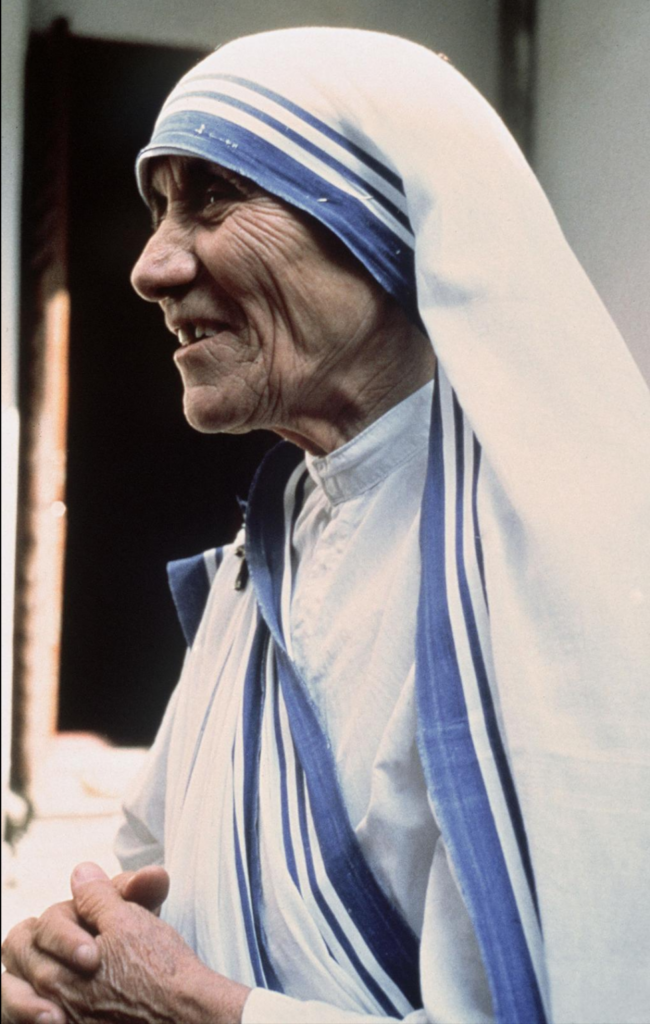
In recognition of her humanitarian work, Mother Teresa received the Nobel Peace Prize in 1979. The Nobel Committee honoured her “for her work for bringing help to suffering humanity.” Although she was not Indian by birth, her lifelong service in India made her one of the country’s most widely recognised humanitarian figures.
Kailash Satyarthi, born in 1954, is an Indian human-rights and children’s-rights activist. He has led campaigns against child labour, slavery and the exploitation of children, while advocating education, dignity and freedom for every child.
Satyarthi received the Nobel Peace Prize in 2014, jointly with Malala Yousafzai.
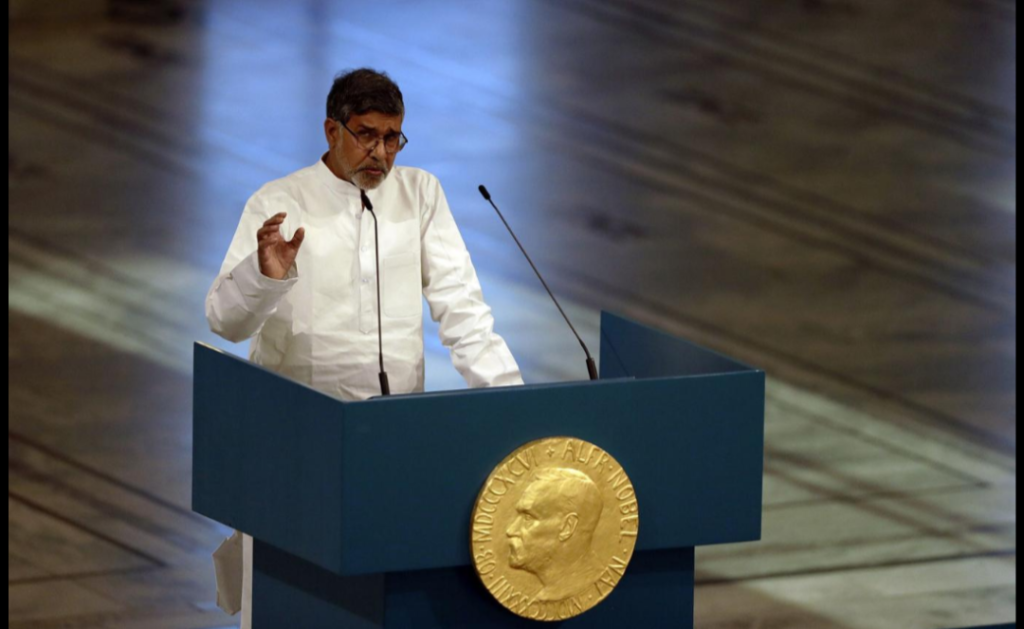
They were honoured “for their struggle against the suppression of children and young people and for the right of all children to education.” His work has helped draw international attention to the dangers faced by children forced into labour and other forms of exploitation.
The 14th Dalai Lama
The 14th Dalai Lama, Tenzin Gyatso, received the Nobel Peace Prize in 1989 and has lived in India since going into exile. However, he is Tibetan, not Indian; therefore, he should not be included under the heading “Indians Who Have Received the Nobel Peace Prize.”
The Norwegian Nobel Committee’s shortlist, assessments and deliberations remain secret. _Editor gramintimes@gmail.com
Leave a Reply